
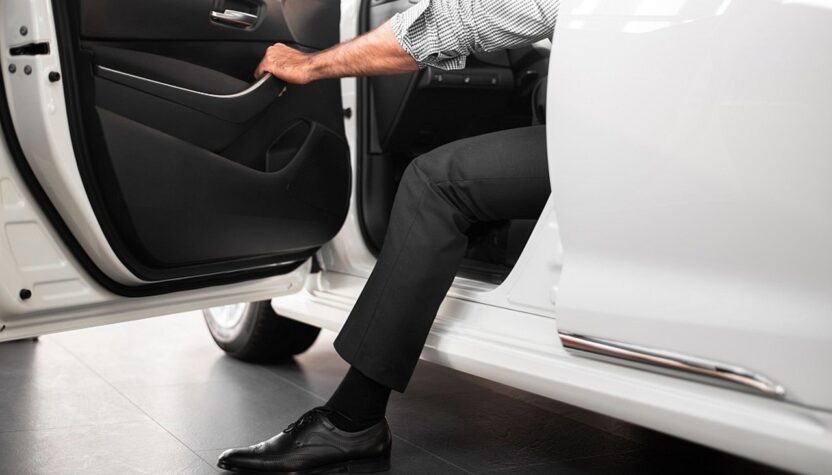
Imagine stepping out of your home and summoning a ride with just a tap on your smartphone. In today’s fast-paced urban landscape, this convenience has become the norm rather than the exception. Ride-hailing services have transformed how we navigate our cities, offering more than just a quick lift from point A to point B. As urban centers grow and traffic congestion becomes an everyday challenge, the need for efficient transportation solutions has never been greater.
Ride-hailing isn’t just about getting where you need to go; it represents a shift in how we think about mobility itself. With technology at its core, these platforms are redefining convenience while addressing pressing issues like traffic jams and environmental concerns. Dive into the key benefits of ride-hailing and discover why it is poised to shape the future of urban transportation!
Convenience and On-Demand Access
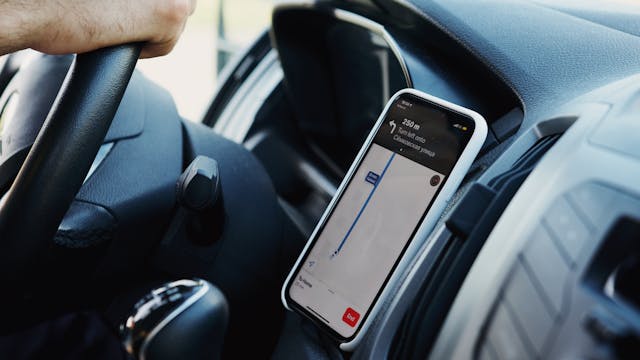
Convenience is at the heart of ride-hailing services. Gone are the days of waiting for a bus or searching for a taxi. With just a few taps on your phone, your ride arrives within minutes. This on-demand access means you can travel whenever life calls. Whether it’s an early-morning meeting or a late-night outing, getting from one place to another has never been simpler. Ride-hailing apps provide real-time tracking, showing exactly when your driver will arrive. You won’t have to stand outside in the cold or rain anymore; you’ll know precisely when to step out. The ability to easily split fares with friends adds another layer of convenience. Sharing rides saves money and enhances social experiences by keeping everyone together throughout the journey.
Reduced Traffic Congestion
Ride-hailing services have the potential to reduce traffic congestion in urban areas significantly. These platforms encourage carpooling and ridesharing by offering a flexible alternative to personal vehicles. This maximizes vehicle occupancy and minimizes the number of cars on the roads. Moreover, ride-hailing apps utilize advanced algorithms to optimize routes. This means fewer drivers circling looking for parking or navigating through busy streets. As a result, travel times decrease, benefiting both users and public transport systems. The impact is especially noticeable during peak hours when traditional commuting methods often falter under pressure. With more people opting for rideshare options instead of driving alone, cities can experience smoother traffic flow overall. Less congestion translates into cleaner air, and fewer idling engines mean reduced emissions—an essential consideration for urban planning and sustainability efforts in the future.
Cost-Effectiveness for Users
Ride-hailing services have transformed how we think about transportation costs. With the ability to choose from various options, users can find rides that perfectly fit their budgets. Many platforms offer competitive pricing, often lower than traditional taxi services. Surge pricing during peak hours may seem daunting, but discounts and promotions frequently balance things out. This flexibility makes it easier for commuters to save money. Moreover, ridesharing eliminates hidden costs associated with car ownership. No need for parking fees or maintenance expenses; riders only pay for what they use. The convenience of app-based payment systems also enhances affordability. Users can track their spending in real time and manage their transport budget more effectively. For urban dwellers seeking a reliable yet economical way to navigate busy streets, ride-hailing presents an appealing solution that aligns with modern lifestyles.
Technology-Driven Safety Features
Ride-hailing services are transforming urban transportation, particularly with their focus …

 Setting a budget is the cornerstone of making smart financial purchases. Before you even think about hitting the mall or browsing online stores, take a moment to assess your finances. Determine how much money you can comfortably allocate towards your purchase without compromising your savings goals or essential expenses. Creating a budget doesn’t have to be complicated – jot down your monthly income and fixed costs. From there, decide on a reasonable amount that you’re willing to spend on non-essential items like clothes, gadgets, or dining out.
 When making financial purchases, it’s crucial to consider the long-term value of what you’re buying. Think beyond the immediate gratification and focus on how this purchase will benefit you in the future. Will it save you money over time? Will it provide lasting quality and durability? Choosing products that have a longer lifespan or offer ongoing benefits can save you money in the long run. Consider things like energy-efficient appliances that reduce utility bills or high-quality items that won’t need frequent replacements.
 Packaging isn’t just about aesthetics. It’s a protective cocoon for the chocolate, preserving its flavor, texture, and quality. A well-designed wrapper not only attracts consumers but also ensures the chocolate arrives in perfect condition. Moreover, packaging plays a crucial role in extending the shelf life of chocolate bars, as it protects them from external factors such as humidity and temperature changes. Additionally, with the rise of e-commerce, sturdy packaging is now more important than ever to ensure that chocolate bars can withstand shipping and handling.
 Efficient packaging machines and techniques play a vital role not just in wrapping chocolate bars but also in preserving their essence and allure. From mass-produced delights to artisanal treasures, the perfect wrapper seals not just the chocolate but also the delight of the experience within. As technology evolves and sustainability takes center stage, the packaging of these beloved treats continues to evolve, promising both innovation and preservation for the delight of chocolate enthusiasts worldwide.…